
Four generations. One enduring connection to coffee.
Long before El Gusto became a brand, coffee was already part of our family. Our story goes back four generations and more than 150 years, to a time when coffee farming was woven into everyday life in Costa Rica. Over the years, landscapes changed, production evolved and new generations brought new ideas — but the connection to the land remained. Today, El Gusto brings that heritage into a new generation.
We combine tradition with modern roasting, food-safety standards, traceability and a global vision, while protecting something that cannot be manufactured: the character of Costa Rican coffee and the people behind it.
Our farms
Coffee begins long before the roast.
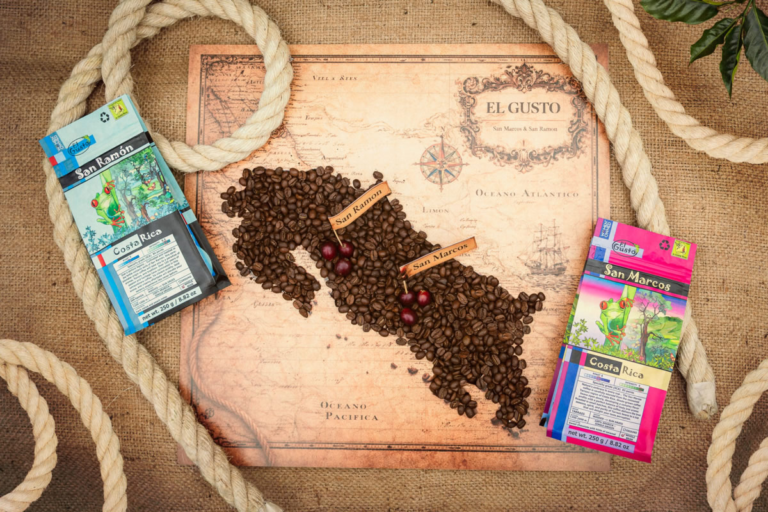
Our coffees come from two remarkable regions of Costa Rica:
San Ramón in the West Valley and San Marcos de Tarrazú in Los Santos.
Great coffee starts with where it grows.
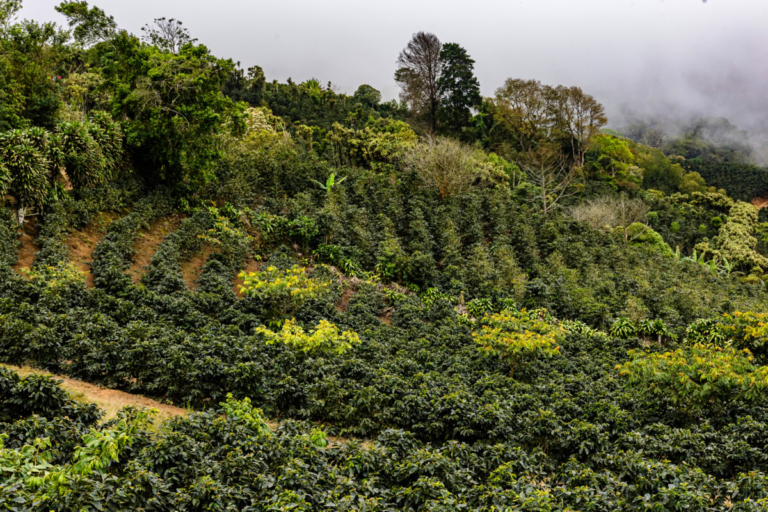
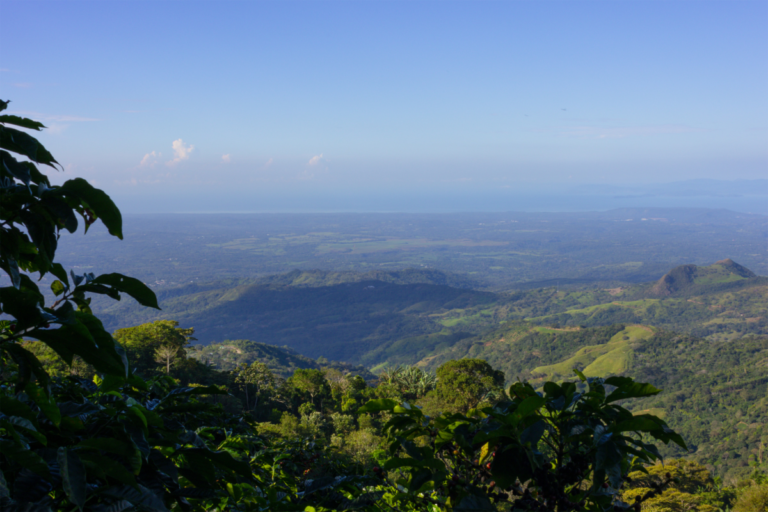
Surrounded by mountains and grown at high elevations, these regions offer distinct climates, soils and growing conditions that shape each coffee differently.
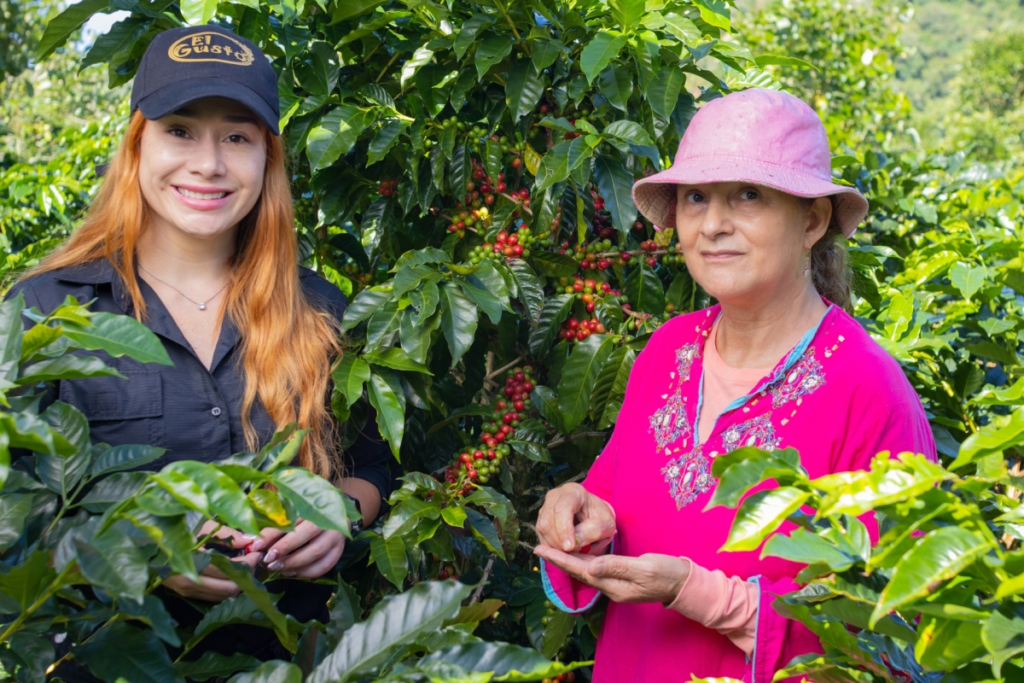
In San Ramón, our roots run especially deep. We work closely with farms in the region — including our family farm — maintaining a direct connection to the coffee from harvest through processing and roasting.
Rather than trying to make every coffee taste the same, we celebrate those differences.
Because origin should not simply be a name printed on a bag.
You should be able to taste it.
Land is important!
The volcanic soil is excellent for coffee. Allowing deep drainage for perfect access of minerals to the plants.
The higher the height, the sweeter the fruit. The consistency of the climate and temperature changes affect
the ripening process. Acidic soils rich in nutrients such as magnesium, phosphorus, potassium, calcium and zinc,
minerals that positively affect the body of the grain. Our coffee plantations are located at an altitude of 1200 to 1900 m
above sea level. More than 150 years of family experience in coffee cultivation.
At higher altitudes, the fruits develop more slowly and are characterized by a higher concentration of sugars,
more complexity and density.
Our Coffee
From mountain to cup, every step matters.
Coffee is the result of hundreds of decisions made before it ever reaches your cup.
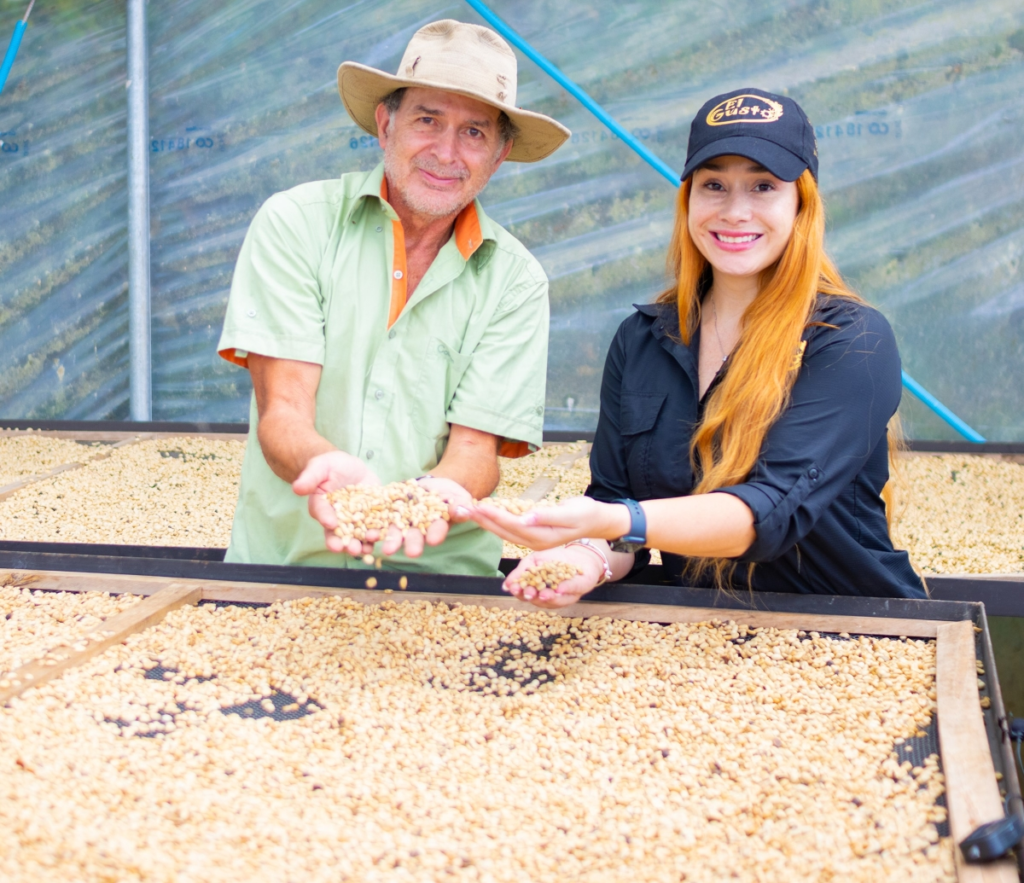
After harvesting, each lot is carefully processed and dried. Some coffees follow traditional methods, while selected microlots use processes such as Honey, where part of the fruit’s natural mucilage remains around the bean during drying, helping develop distinctive sweetness and complexity.
After drying, the coffee rests before being prepared for roasting.
At our roasting facility, each lot is roasted according to its individual character — not according to a single recipe.
We evaluate our coffees through cupping, monitor roast profiles and maintain traceability throughout the process.
Then, we package the coffee to help preserve freshness until the moment you open the bag.
Nothing rushed. Nothing accidental.Just coffee treated with the attention its origin deserves.
Recognized around the world
Costa Rican roots. Global recognition.
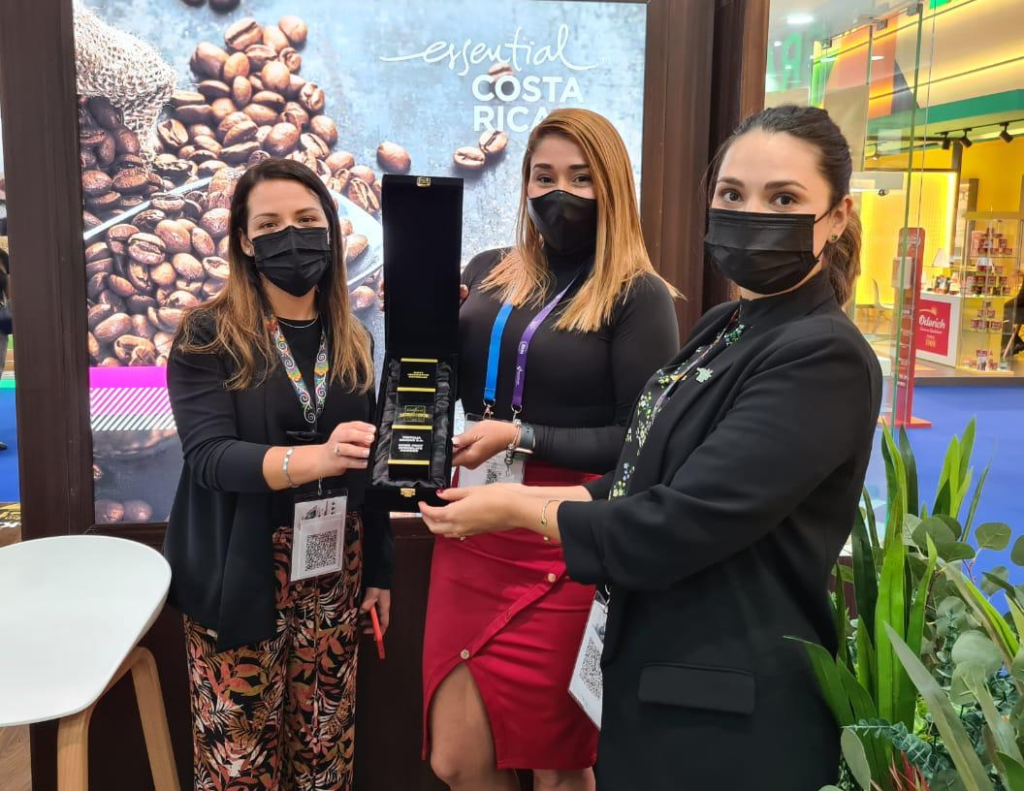
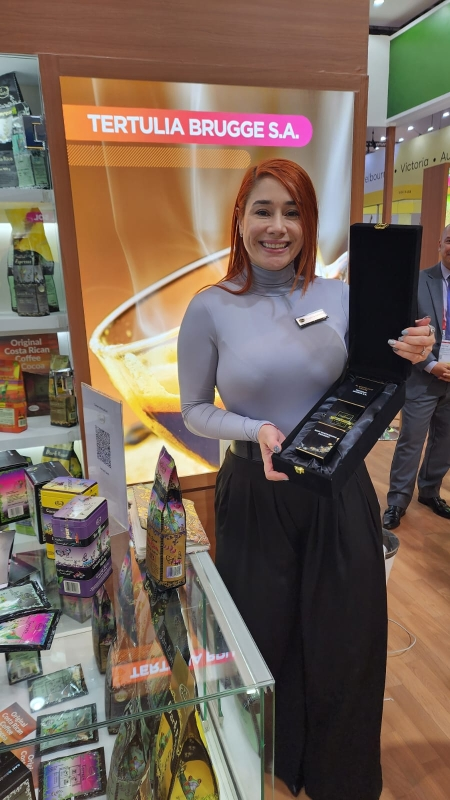
Our journey has taken El Gusto far beyond Costa Rica.
Our coffees and cocoas products have earned international recognition
at some of the world’s leading food and beverage events and competitions.
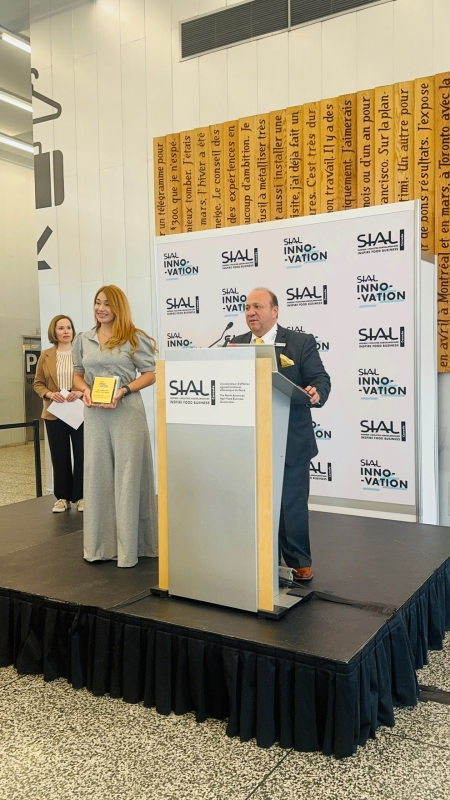
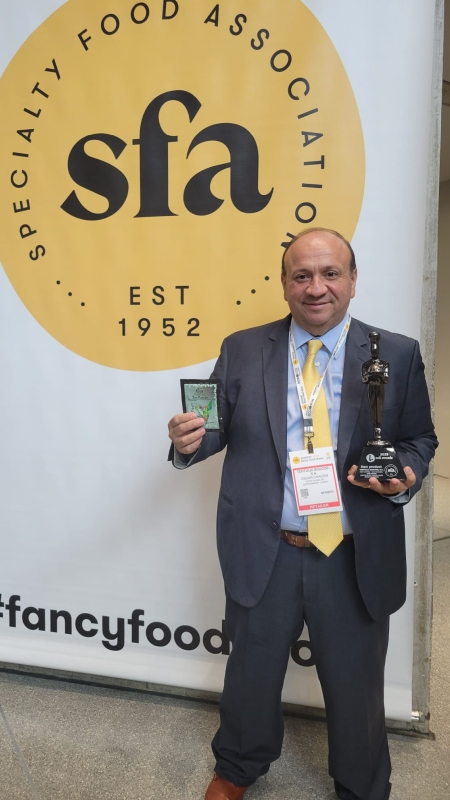
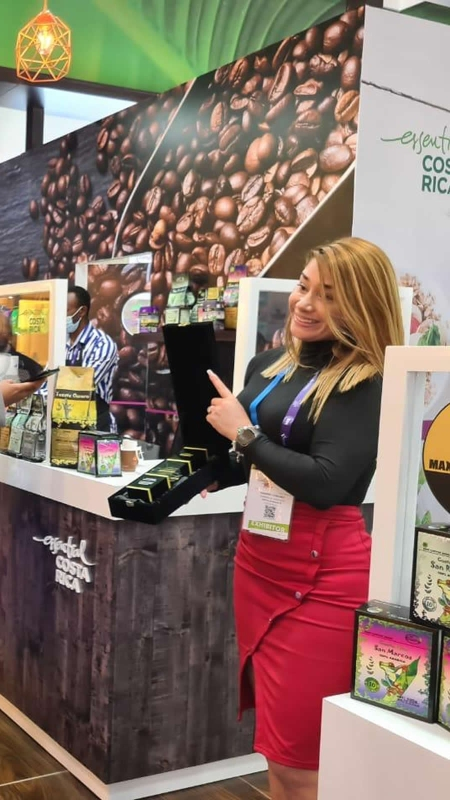
Costa Rican roots. Global recognition.
Gulfood Dubai — Most Innovative Beverage
Gulfood Dubai — Best Packaging Design Impact
Gulfood Dubai — Most Sustainable Packaging Recognition
SIAL Paris — Top Innovation
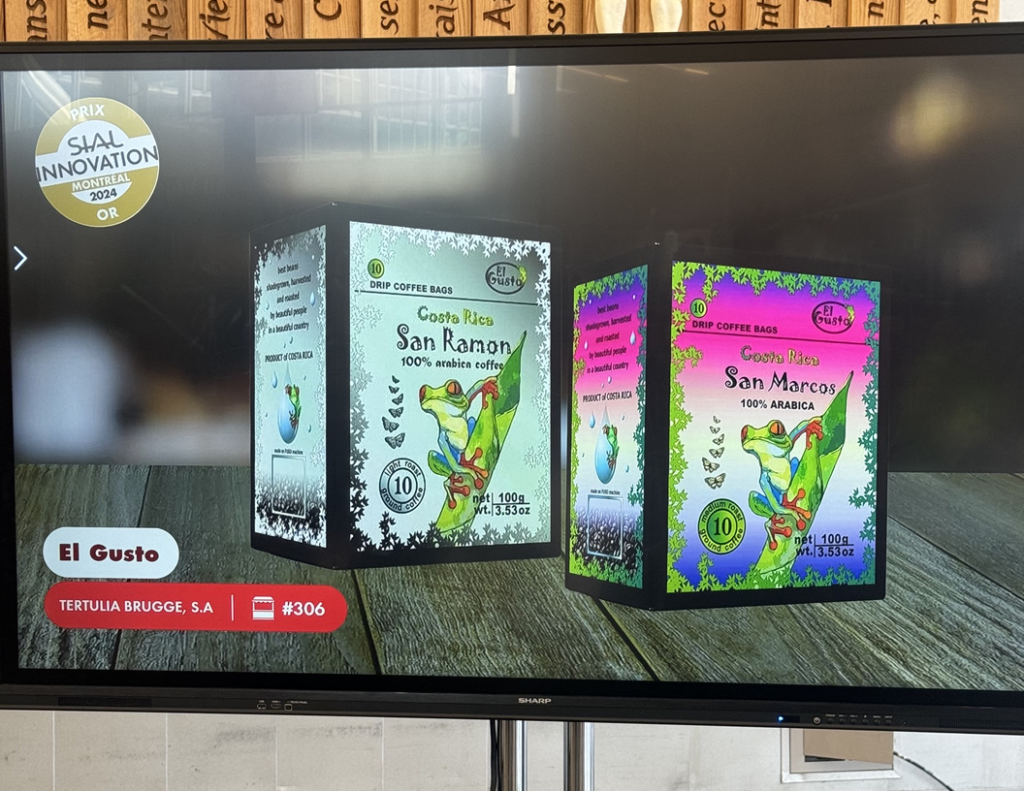
SIAL Montreal — Gold Recognition
ANUGA — Top Innovation Recognition
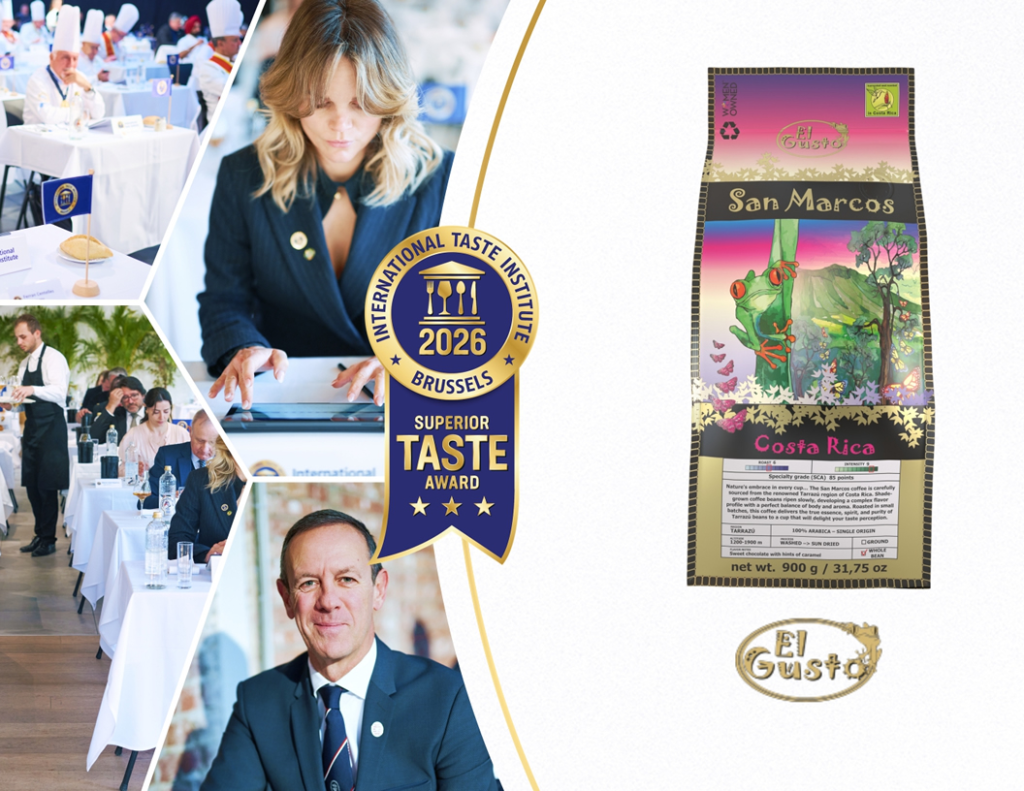
Superior Taste Award
SOFI Awards— USA
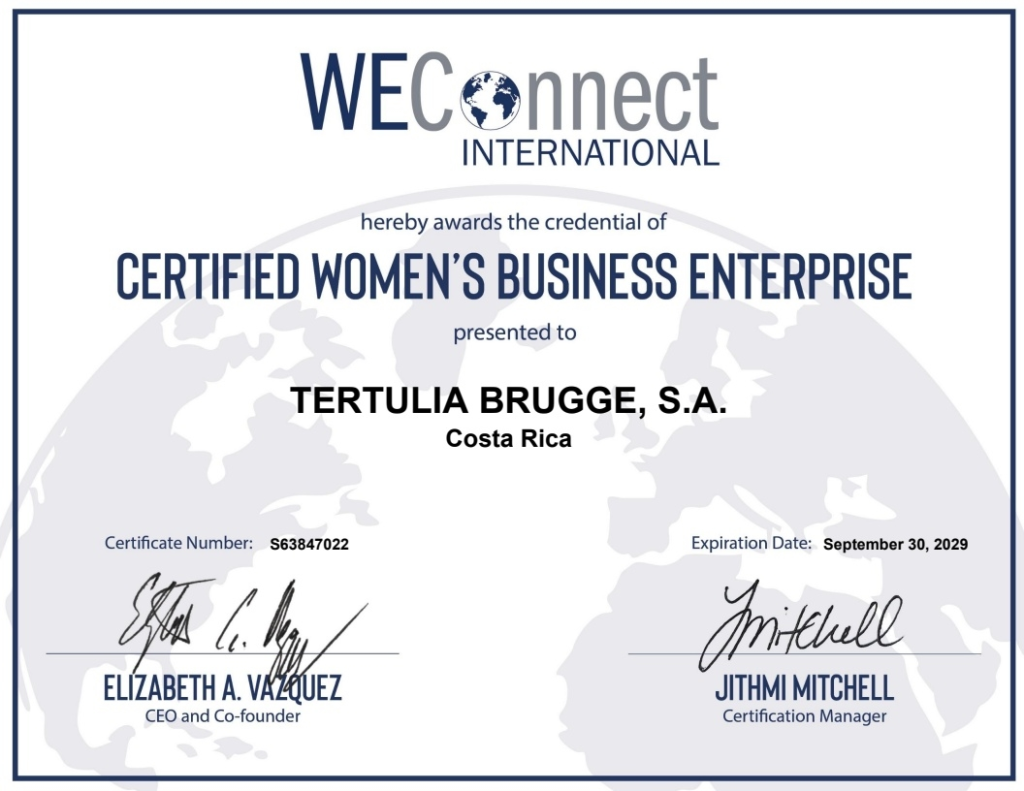
We are also proud to be a Women-Owned Certified business, a recognition that reflects the leadership, vision,
and entrepreneurial spirit behind El Gusto.
These recognitions make us proud, but they are not the reason we do what we do.
They are a reflection of what happens when Costa Rican heritage,
quality, innovation, and purpose come together — and proof that a brand born in a small country can make its mark on the global stage.